


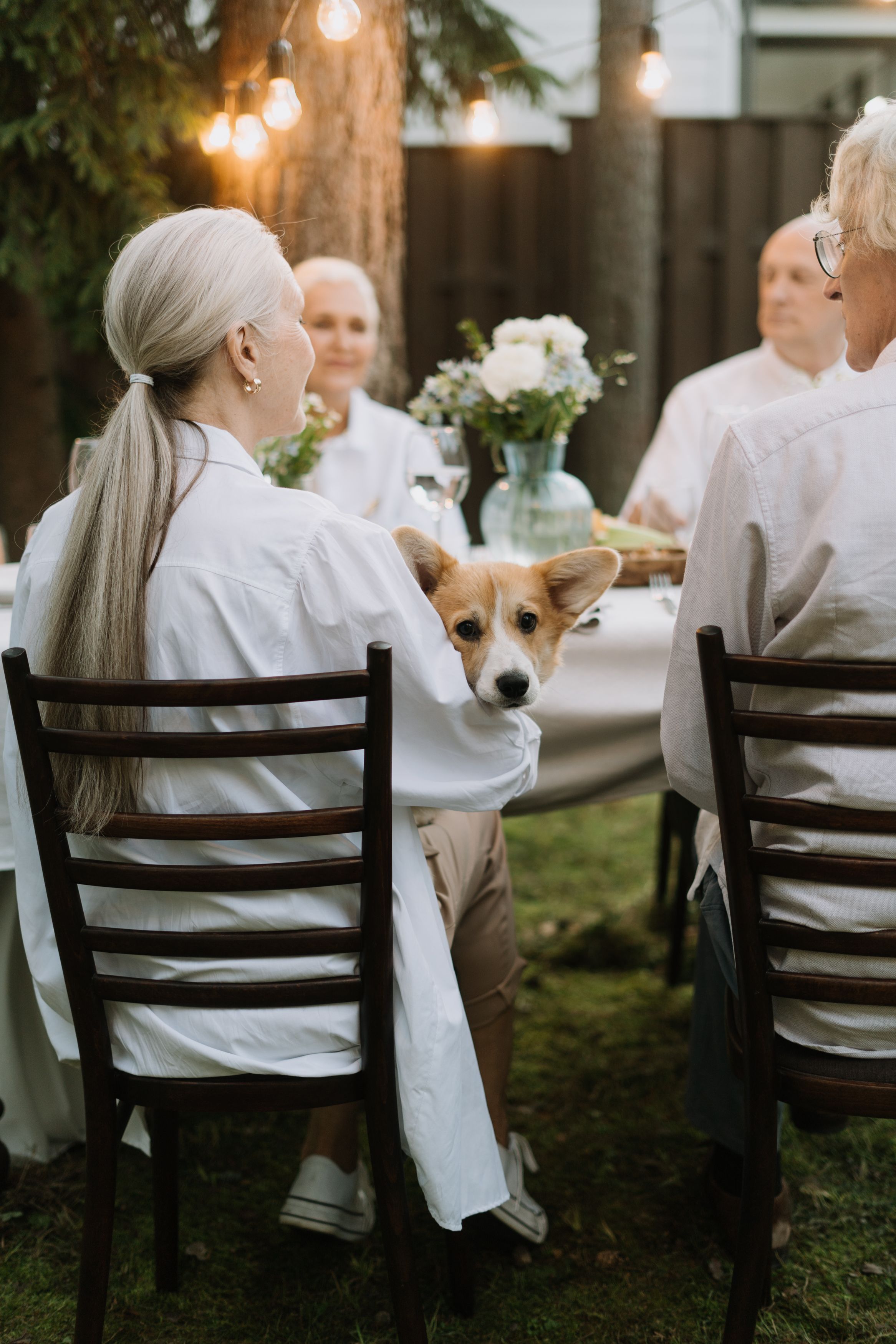

A dog waiting by the window before you've even turned onto the street. A cat who knows the sound of your car. Anyone who has loved a pet understands that, somewhere along the way, they stop feeling like animals and become part of the family.
They greet us at the door before we've even set down our keys, curl up beside us when we're hurting, and become part of our daily lives without us ever really noticing when it happened. It's no surprise that people often worry about their well-being just as much as they worry about their own, and in Greek households, that worry has an old, familiar shape to it. Can pets get the evil eye, the same as a person can?
According to Greek tradition, many families have long believed the answer is yes. Beliefs and customs vary from family to family, but it's common for that same protection to extend to the animals people love.
Why Admiration Can Be Dangerous
In Greek tradition, the evil eye is associated with envy or excessive admiration. When something beautiful, joyful, or deeply cherished attracts intense attention, it may also become the focus of the evil eye, whether or not anyone means any harm by it.
For many families, that includes beloved pets. A playful puppy, a striking horse, a stubborn old mule, a cherished family cat. The kind of animal that draws endless compliments from friends, neighbors, and strangers alike. A neighbor pausing at the fence to say "what a beautiful dog" is, by tradition, exactly the kind of moment that calls for care.
The admiration itself isn't thought to be malicious. Most of the time it's completely unintentional. But the traditional belief holds that even well-meaning admiration can sometimes carry the evil eye along with it, simply because it lingers a little too long on something precious.
Xematiasma, Charms, and Quiet Blessings
Because pets are considered part of the family, some Greek households extend the same protective customs to them that they'd use for a child or a home.
Depending on the family, the region, or the tradition they’ve inherited, that might mean saying the traditional prayer for the evil eye, known as Xematiasma, over the animal directly. Sometimes it's done with a bowl of water and a drop of olive oil. Sometimes it's nothing more than three quiet spits over the shoulder, the way a grandmother might do it without even breaking stride.
Others place a protective charm near the pet's bed or clip one to its collar. Some simply offer a quiet blessing under their breath, or keep the pet close while reciting the same prayers that have been passed down through the family for generations.
Not every Greek family follows the same traditions, and practices can vary widely even between neighboring villages. For many, these customs aren't really about ritual at all. They're simply part of a cultural inheritance, carried forward without much need for explanation, alongside the same ordinary care every pet needs. If a dog suddenly goes quiet, loses interest in food, or seems unwell, that care always begins with a veterinarian. A prayer offered afterward, over an animal already resting comfortably, is never meant to stand in for one.
A Tradition That Doesn't Stop at People
Whether it's a child, a home, a family business, or a beloved pet, Greek tradition often reflects the same underlying desire: to protect the people and things we love most.
For generations, that desire has been carried through prayers, blessings, and small protective customs passed from one hand to the next. Every family observes them a little differently, but the heart of the belief stays the same. Protection was never only about ourselves. It's about caring for everything we hold dear.


